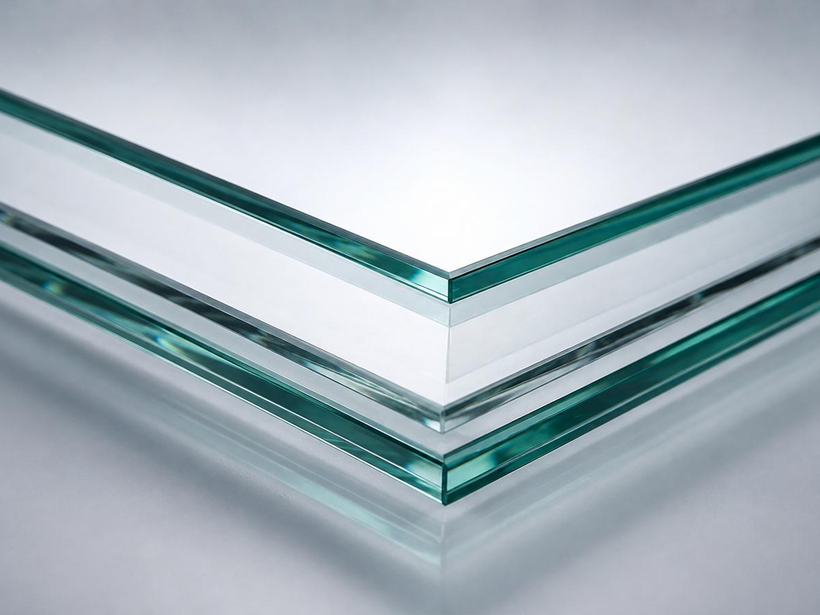
The standard flat glass most other architectural glass is processed from.
Float glass is the baseline product almost every other architectural glass starts from. Molten glass floated over tin produces surfaces that are genuinely flat and parallel, which is why it transmits a view without distortion.
Where it is used
Clear float is the base product most other architectural glass is processed from. On its own it is used for internal glazing, display and joinery; processed, it becomes toughened, laminated, coated or part of a sealed unit.
If the glass is in a barrier, a door, overhead, or anywhere there is a fall or impact risk, float on its own is not the right product – a safety glass is.
What the specification depends on
Whether it needs processing
Most architectural applications use float as a starting point rather than a finished product. Tell us the application and the processing route follows from it.
Edge finish
An edge that will be seen, or that sits in a channel, needs working. An edge hidden in a frame usually does not.
The green cast
Standard float carries a slight green tint from its iron content, visible on exposed edges and in thicker panes. Where that matters, low-iron glass is the alternative.
What we need to quote
Glass type and build-up, or the performance requirement
Pane sizes and quantities
Edge finish required
Hole positions, cut-outs and notches, with edge distances
The application – façade, partition, balustrade, overhead or internal
Whether dimensions are surveyed or still nominal
Any certification or documentation the project requires
Thicknesses, maximum pane sizes and build-ups vary by product and processor, and are confirmed against the project requirement at quotation.
Specification noteWhere a safety application is involved, clear float is normally specified in a toughened or laminated form. We advise on the appropriate build-up at enquiry.
Common questions
What information do you need to quote glass?
The glass type or the performance requirement, pane sizes and quantities, edge finish, any holes or cut-outs with their positions, and the application. Tell us which dimensions are surveyed and which are still nominal – that lets the confirmed items be sequenced while the rest are held.
Can glass be cut or drilled after toughening?
No. Once glass is toughened it cannot be cut, drilled or notched – the attempt shatters the pane. Every hole, cut-out and edge finish must be on the schedule before the glass goes through the furnace.
Can you supply documentation for the glass?
Technical datasheets and manufacturer documentation can normally be requested for the product supplied. Tell us at enquiry stage if the project, consultant or import process requires specific documents.
Related
More from Glass Products
02
Ultra Clear Glass
Low-iron glass with the green edge cast removed, for thick or layered applications.